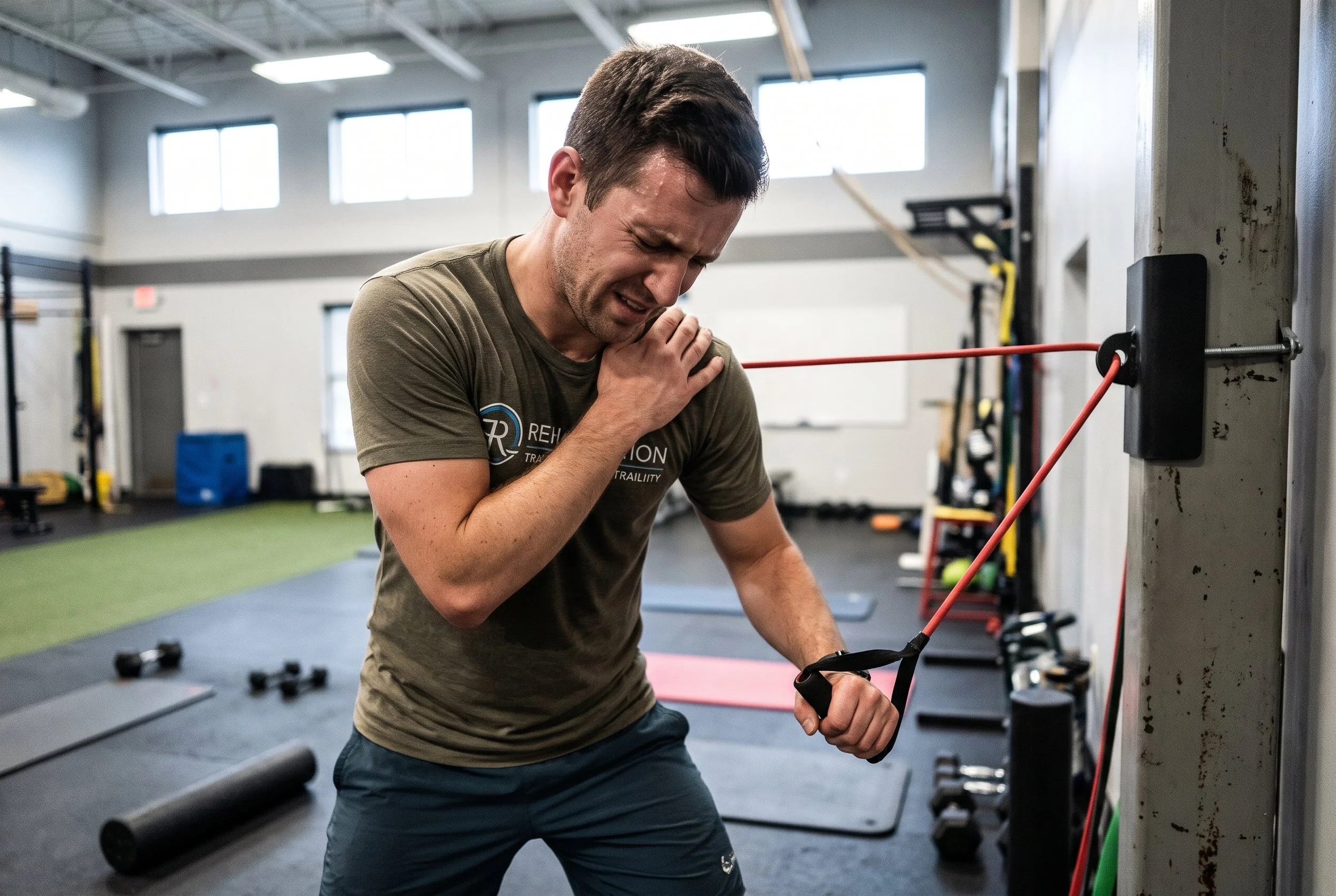
Shoulder Pain ExplainedCauses, Symptoms and What Helps
Shoulder pain when you reach, lift, sleep or train usually has a cause, and understanding it is the first step to managing it. This guide explains what usually drives shoulder pain, what helps, and when it is worth getting assessed.
When you are ready for hands-on help, Athletic Soul Rehab's shoulder physio service is here for you.

Experience
Google Reviews
Treated
Practitioners
About Shoulder Pain
What Is Shoulder Pain?
Shoulder pain is pain in or around the shoulder joint. The shoulder is the most mobile joint in the body, which makes it easy to overload. Pain usually reflects how your rotator cuff, shoulder blade, neck and upper back are coping with the load you place on them, not just one sore spot.
Working out what is driving it is the first step. Physiotherapy is one way to do that, using manual therapy, progressive strength-based rehab and clear advice.
Who Gets Shoulder Pain?
- Gym-goers with pain on pressing, pulling or overhead lifts
- Swimmers, tennis players and throwers with overhead sport pain
- Footballers and contact athletes with dislocations or instability
- People with rotator cuff pain or a suspected tear
- Anyone recovering from shoulder surgery
- People with stiffness or a frozen shoulder
- Desk workers whose neck and shoulder pain builds through the day
- Anyone whose shoulder pain keeps coming back
What Causes Shoulder Pain?
The shoulder is the most mobile joint in the body, which is why it is also easy to overload. These are the most common reasons it starts to hurt.
Rotator Cuff Overload
The rotator cuff tendons can become irritated when load rises faster than they can adapt, which is common with overhead work, heavy lifting and racquet or throwing sports.
Instability
After a dislocation or repeated strain the shoulder can feel loose, catch or slip, and the muscles around it often tighten up or tire quickly.
Stiffness and Frozen Shoulder
Pain with a gradual loss of movement, often noticed when reaching behind your back, overhead or across your body.
AC Joint Pain
Pain at the top of the shoulder, often after a fall onto the shoulder or with heavy pressing and carrying.
Neck-Related Pain
Problems in the neck can refer pain into the shoulder, so the neck is checked as part of a shoulder assessment.
Shoulder Blade and Upper Back Control
When the muscles around the shoulder blade do not control movement well, the shoulder joint takes more load. Desk work and posture can add to this.
What Helps Shoulder Pain?
Early steps that help
- Keep the shoulder moving within a comfortable range rather than resting it completely
- Modify the movements that flare it up, such as overhead lifting, for a short time
- If night pain is an issue, try a different sleeping position or a pillow for support
- Build load back up gradually instead of returning straight to training
- Get it assessed if it has not settled in a couple of weeks
How it is assessed
- Your history, and how and when the pain started
- Movement of the shoulder, shoulder blade and neck
- Strength of the rotator cuff and the muscles around it
- How the shoulder copes with the loads of your sport, gym or work
- An explanation of what is likely driving your pain, and a plan you can follow
Looking for Shoulder Physio in Fitzroy?
This page explains shoulder pain. If you would like hands-on help, our shoulder physio page covers how we assess and treat it, who you will see and how to book.
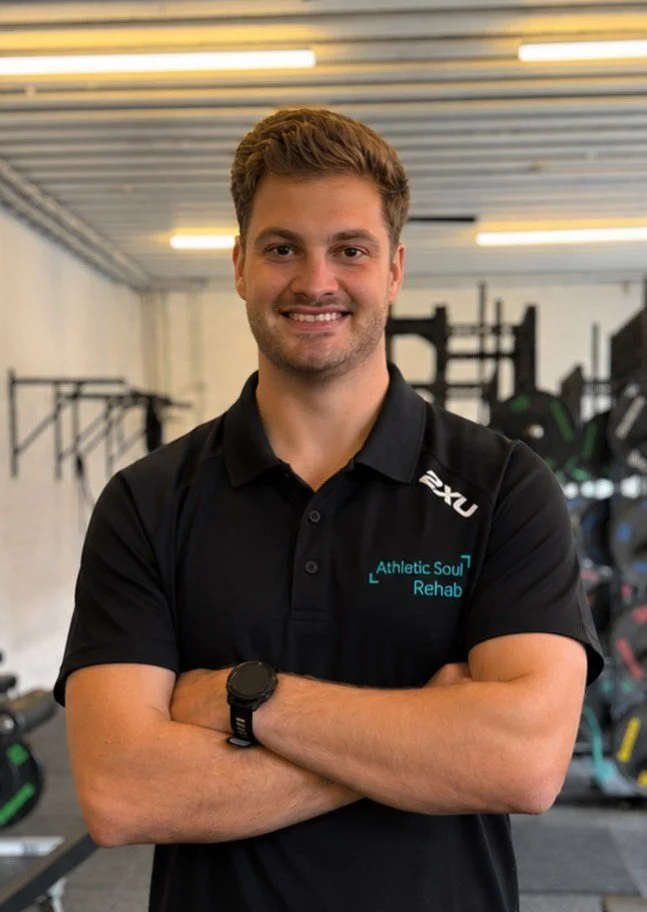
Meet Dave, Our Shoulder Physio
Dave Barron
Dave has worked in private practice, sporting environments and rehabilitation settings, treating everyone from weekend athletes to competitive players across AFL, soccer, rugby and Gaelic football. His background in musculoskeletal rehab and strength and conditioning means your plan does not stop at pain relief. It is built around helping you build strength and confidence for what your sport or training demands. Dave has a special interest in complex shoulder injuries and shoulder rehabilitation.
How Physiotherapy Can Help
Finding the Cause
Assessing shoulder, shoulder blade and neck movement, strength and load shows what is actually driving the pain.
Progressive Rehabilitation
Strengthening and movement work built up in stages to match your sport, job and goals.
Hands-On Treatment
Manual therapy can ease pain and stiffness so you can move and load the shoulder again.
Sport and Gym Injuries
A staged plan can keep you training where it is safe while the shoulder settles.
Instability and Post-Surgical Recovery
Support before and after surgery, from early sessions through to getting back to sport.
Returning to Sport
Strength, range and control checks guide the step back to training and competition.
Common Shoulder Conditions
Not every shoulder problem is the same. Here are the conditions physios see most often.
Not sure what is causing your shoulder pain?
Book an assessmentWhen to See a Physio
Book an assessment if your shoulder pain limits training, sleep or daily activity, keeps returning, follows an injury, or has not settled after a short period of relative rest. Earlier assessment often means a simpler plan.
- Pain reaching overhead, behind you or across your body
- Pain that wakes you or stops you lying on that side
- Weakness, stiffness, clicking or catching
- The shoulder feels unstable or has slipped out
- Pain that has not settled in a couple of weeks
When It Is Urgent
Most shoulder pain is not an emergency, but a few signs need prompt medical attention.
What to Expect at a Physio Visit
 01
Initial Consultation
We listen to your story, your goals and how the shoulder affects training and daily life.
 02
Thorough Assessment
We test shoulder, shoulder blade and neck strength, movement and load tolerance to find what is driving the pain.
 03
Personalised Treatment
Hands-on treatment, progressive strengthening and practical advice matched to your goals.
 04
Progress and Follow-Up
We progress your plan as you improve, then guide a staged return to sport or training.
Why Choose Us?
Goal-Driven Rehabilitation
Your plan is built around where you want to get to, not just where you are now.
Strength & Movement-Based Rehab
Strength and manual therapy work together to help build your capacity for daily life, training and sport.
Ongoing Support & Guidance
Clear next steps at every stage, from first session to return to sport.
Long-Term Approach
We work on the factors behind your pain, not just the current flare-up, to help reduce the chance of it returning.
FAQs
What causes shoulder pain when I lift my arm?
It is often the rotator cuff tendons being irritated by load, but shoulder blade control, joint stiffness or the neck can also play a part. An assessment finds which one is driving your pain.
Why does my shoulder hurt at night?
Lying on the shoulder or holding it in an awkward position can aggravate irritated tendons, so night pain is common with rotator cuff problems. If the pain is severe, constant or comes with other symptoms, get it checked promptly.
How do I know if it is a rotator cuff problem?
Pain reaching overhead or out to the side, weakness lifting the arm and pain lying on that side are common signs, but they can overlap with other problems. Only an assessment can confirm it.
Can shoulder pain go away on its own?
Some mild shoulder pain settles with a short period of relative rest and sensible load. If it keeps returning, wakes you at night, limits training or follows an injury, an assessment helps find out why.
Will I need surgery for my shoulder pain?
Many cases of shoulder pain are managed without surgery. Some injuries, such as certain rotator cuff tears or recurrent dislocations, may need a surgical opinion. We will tell you if we think you need further review.
How long does shoulder rehab usually take?
It depends on the cause, how long it has been there and your goals. Your physio will give you an estimate after your first assessment and update it as you progress.
Is exercise safe when my shoulder hurts?
Often the right kind of exercise is part of recovery. We choose the type, load and range your shoulder tolerates now, then progress it.
Is shoulder pain always caused by the shoulder itself?
No. Neck problems, shoulder blade control, upper back stiffness and training load can all affect the shoulder, so we assess the whole region.
General information only. It is not a substitute for an individual assessment.